Language
Text models had the internet.
Language models learned from a massive public record of human writing, links, and documents.
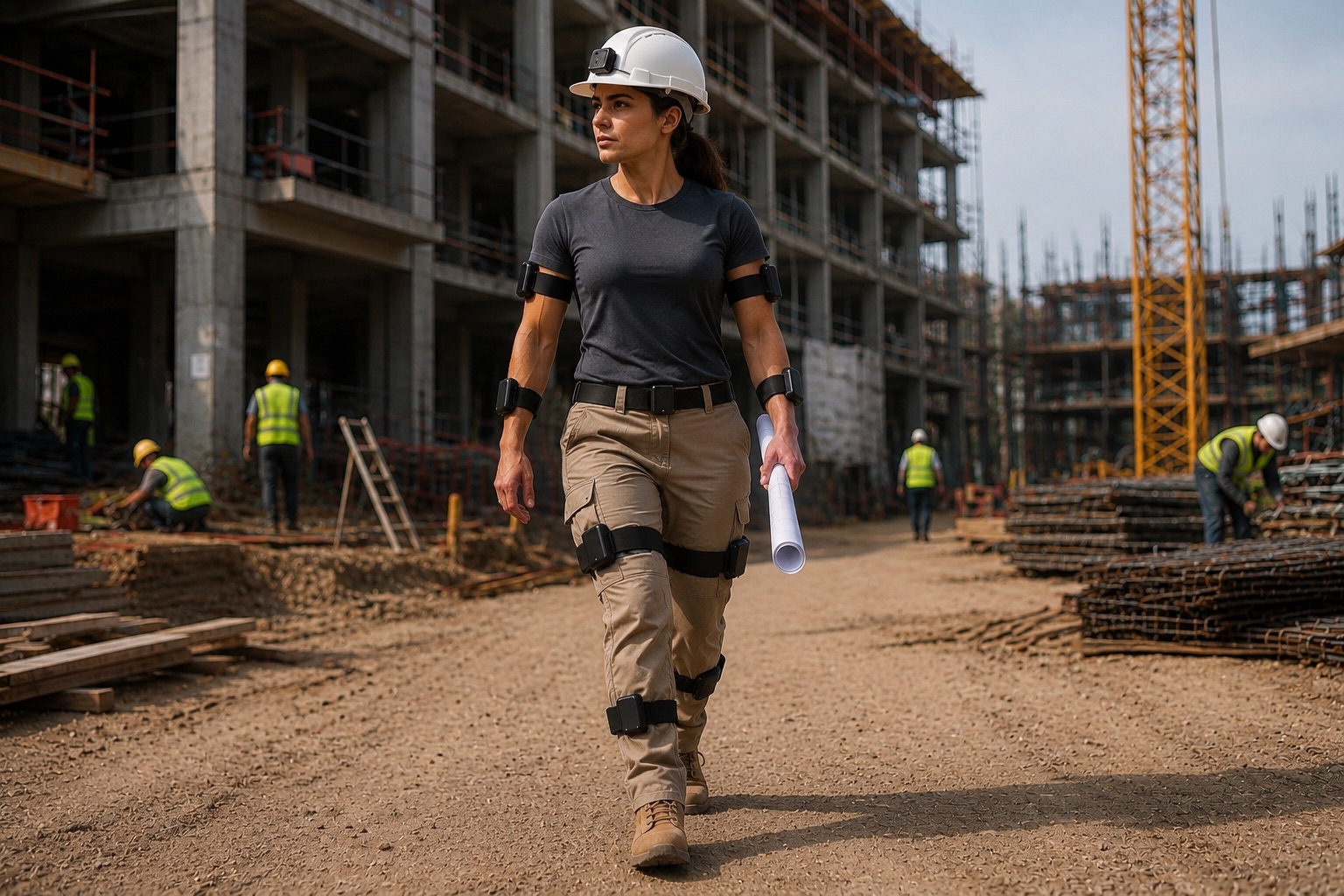
TRACE records how people move, work, and cooperate in real spaces: the synchronized motion, depth mapping, video, and audio data the next generation of robots needs and no one can scrape.
The difference
Pose inferred from video drifts 15–25 cm per joint. TRACE reads body motion directly from worn sensors, so the record sits where the movement actually happened.
Estimated from video
±15–25 cm per joint
Measured directly
6–20 pose + motion sensors
15–25 cm
the gap we close
How far video-estimated pose drifts from measured ground truth per joint. TRACE measures kinematics directly.
6 PB+
per million hours
Synchronized video, depth mapping, audio, and measured kinematics on Gen3 — roughly 10× that on Gen4.
6–20
body sensors
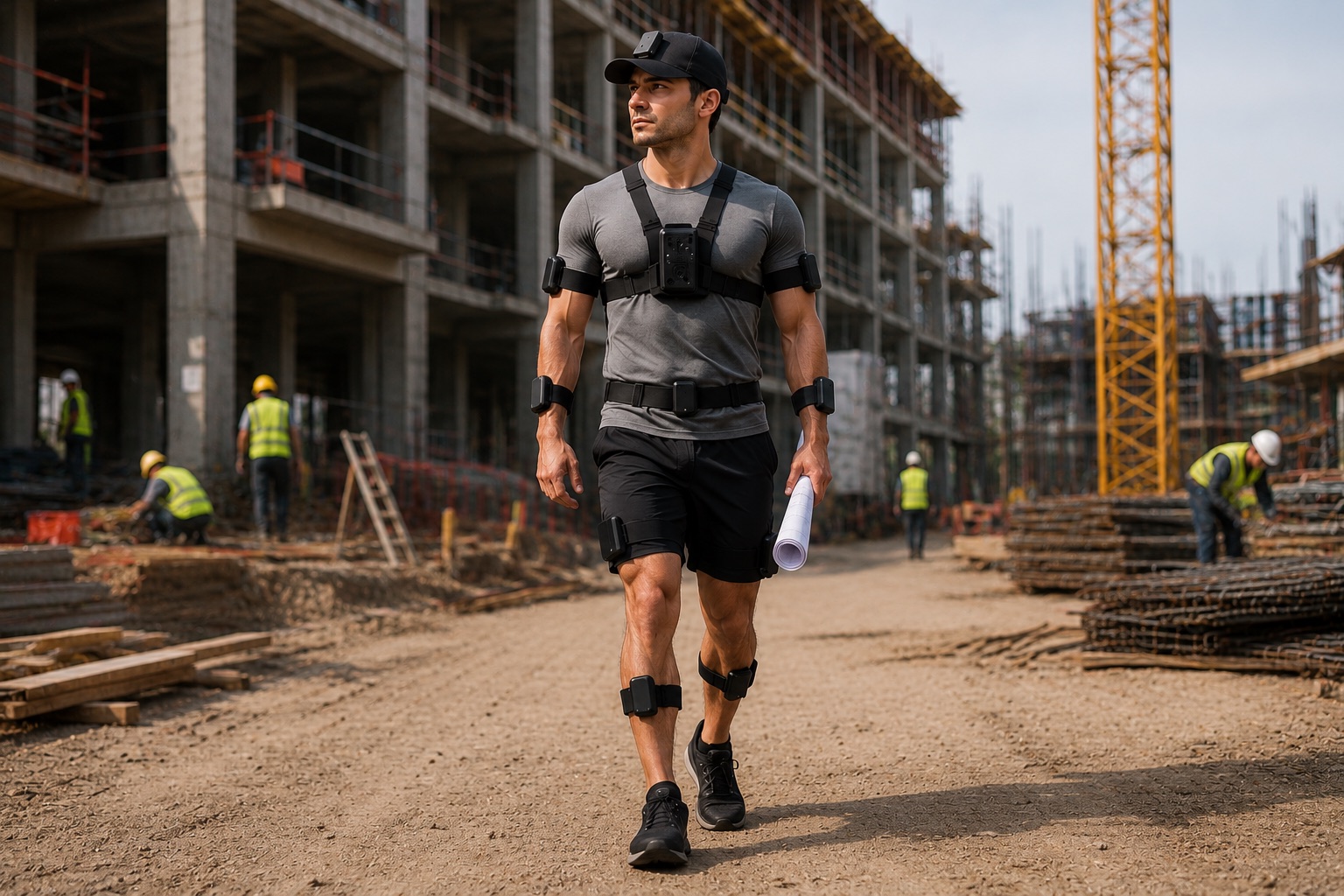
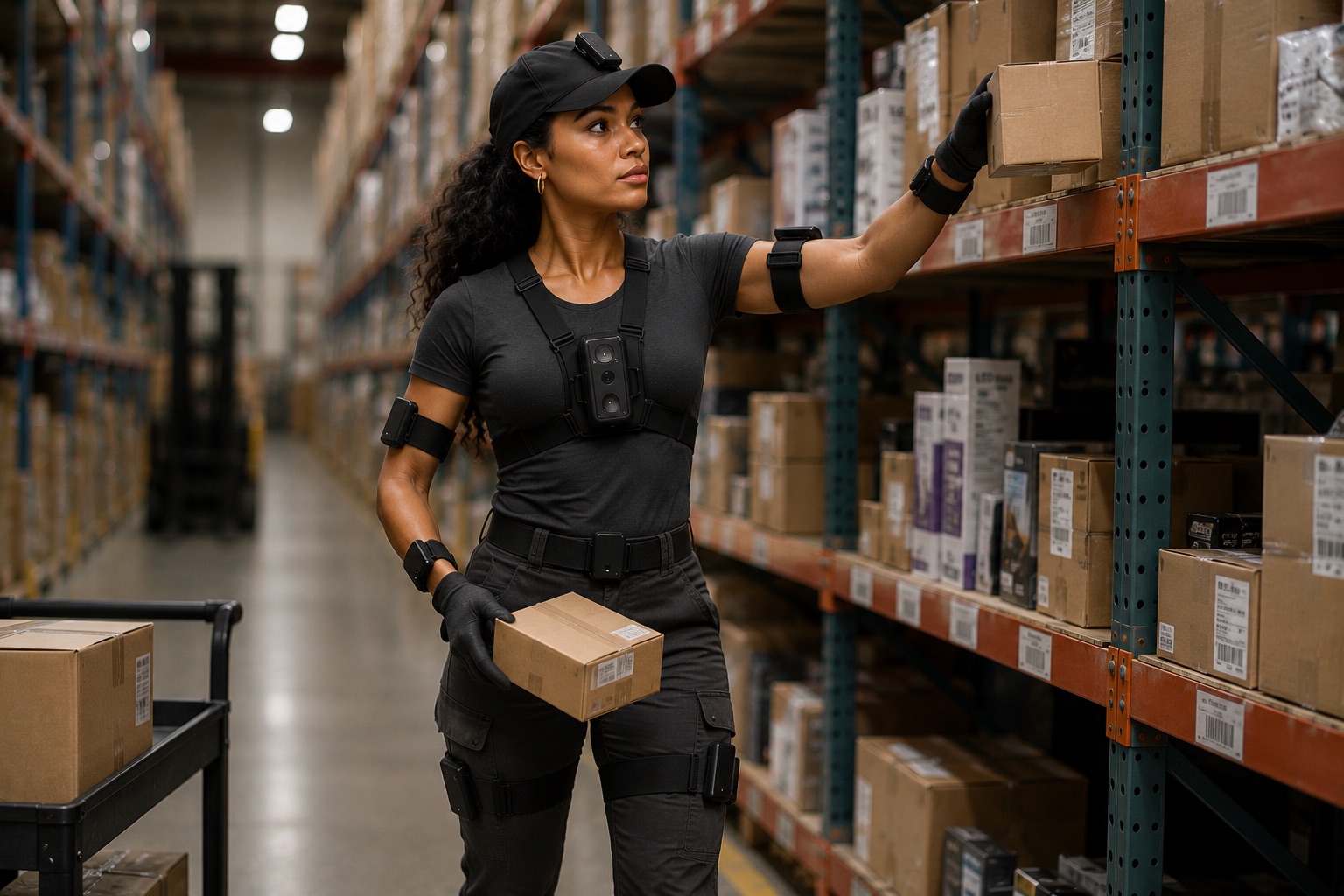
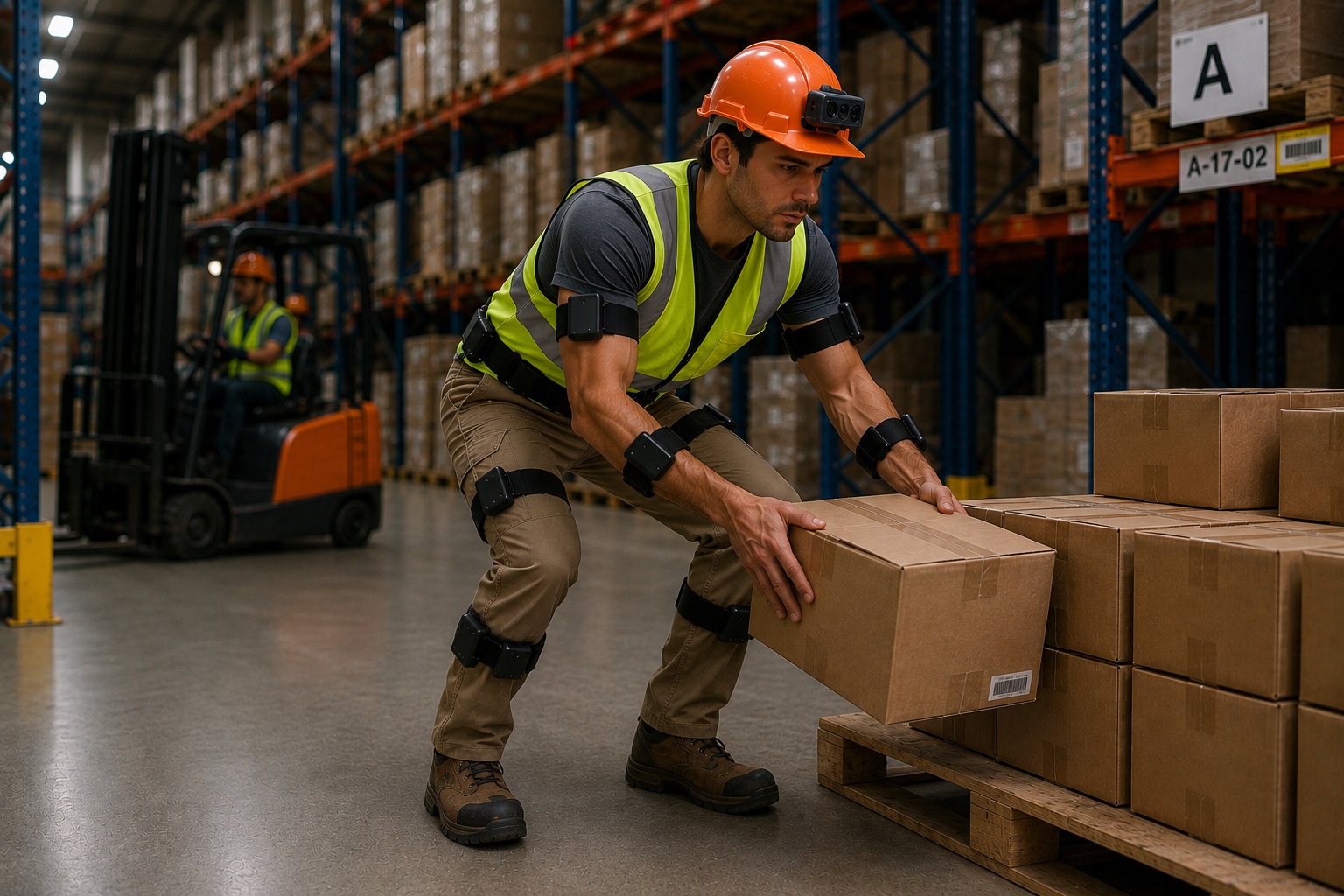
A body-worn swarm for full-body pose, synchronized to the millisecond.
~$200
baseline kit
Deliberately commodity parts, sourced and built almost anywhere electronics are made.
The problem
Language models had the internet. Vision models had billions of images. Robots need the missing record of physical human work: movement, tools, timing, contact, space, and cooperation.
Language
Language models learned from a massive public record of human writing, links, and documents.
Vision
Photos and video gave vision systems a broad training substrate for recognizing the world.
Robotics
Robots need physical human task data: movement, tools, timing, contact, space, and cooperation.
Why now
Capital is treating humanoid robotics as a platform shift, the data lesson from language and vision is settled, and capable robot chassis are finally shipping from a wide range of makers.
Capital
Humanoid robotics is funded like a platform shift, but hardware alone does not teach robots how people work.
Data
Across language and vision, more real-world data beat cleverer architectures again and again.
Hardware
Humanoid chassis with increasingly capable manipulation and locomotion are now built by a wide range of manufacturers. The bodies exist; the training data does not.
How it works
The path is direct: people record eligible sessions with fully instrumented, egocentric capture — what the wearer sees, plus how their body actually moves — TRACE validates them, and the WELL becomes the corpus behavior models train on.
Task capture
Data review
Labeling & grading
The WELL
Model training
Every uploaded hour moves through quality grading, fraud detection, consent-aware capture settings, and contributor accounting before it can enter the WELL.
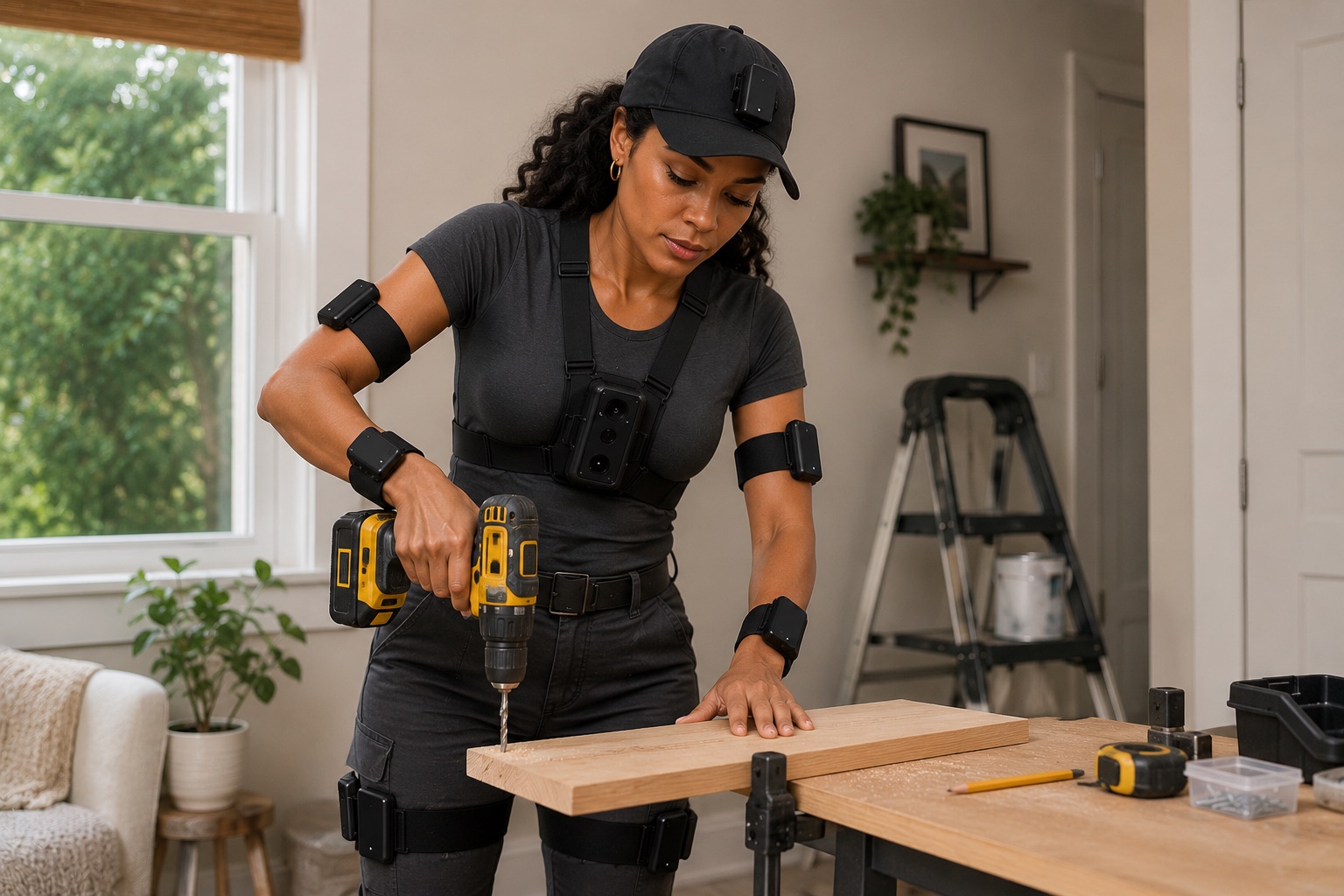
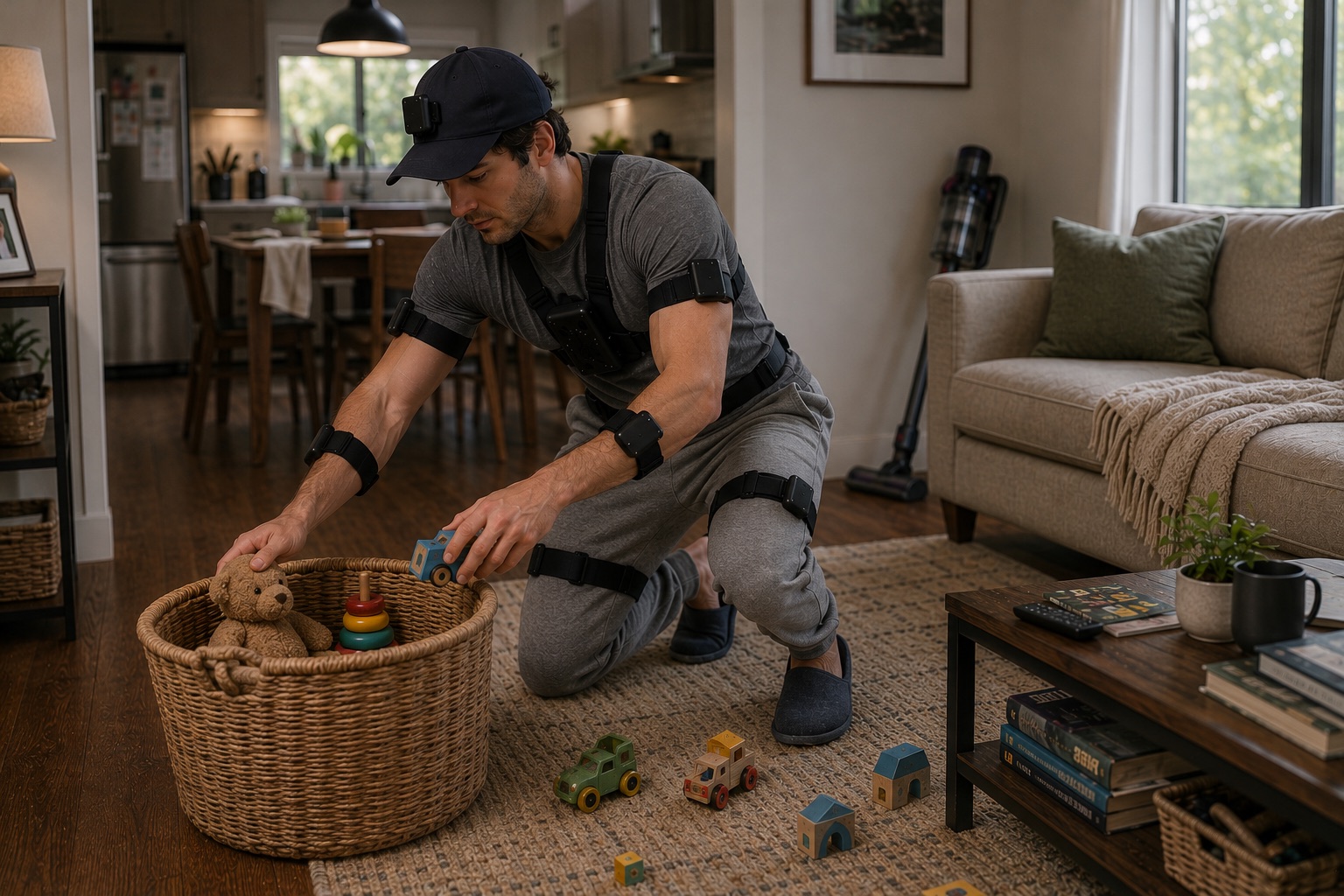
Worn during real work
The same light rig rides along through lifting, reaching, assembly, and everything in between — capturing how people move on the job.
The WELL
The WELL is TRACE's in-the-wild human-task corpus: raw enough to preserve future training value, structured enough to trust, and built around the people who create it.
Data products
Manipulation, handoff, human-proximity navigation, and workspace-sharing data for policy training.
Access
Research, non-commercial work, and product development can build on the WELL; commercial deployment requires a license.
Built today
Working boards, firmware, device provisioning, session harvest, and local upload tooling are already moving through field tests. The hard next step is scale.
Why it compounds
01
Growing dataset
Each recorded hour makes every earlier hour worth more.
02
Research adoption
Free for researchers — their published work pulls in commercial teams.
03
Commercial licensing
Deployment fees flow back to TRACE and the people who built the data.
04
Contributor incentives
Contributors earn for as long as the data earns — so they keep producing.
The wearable can be copied. The aligned contributor network, governed corpus, licensing framework, and processing pipeline are much harder to recreate once they start reinforcing each other.
The hardware
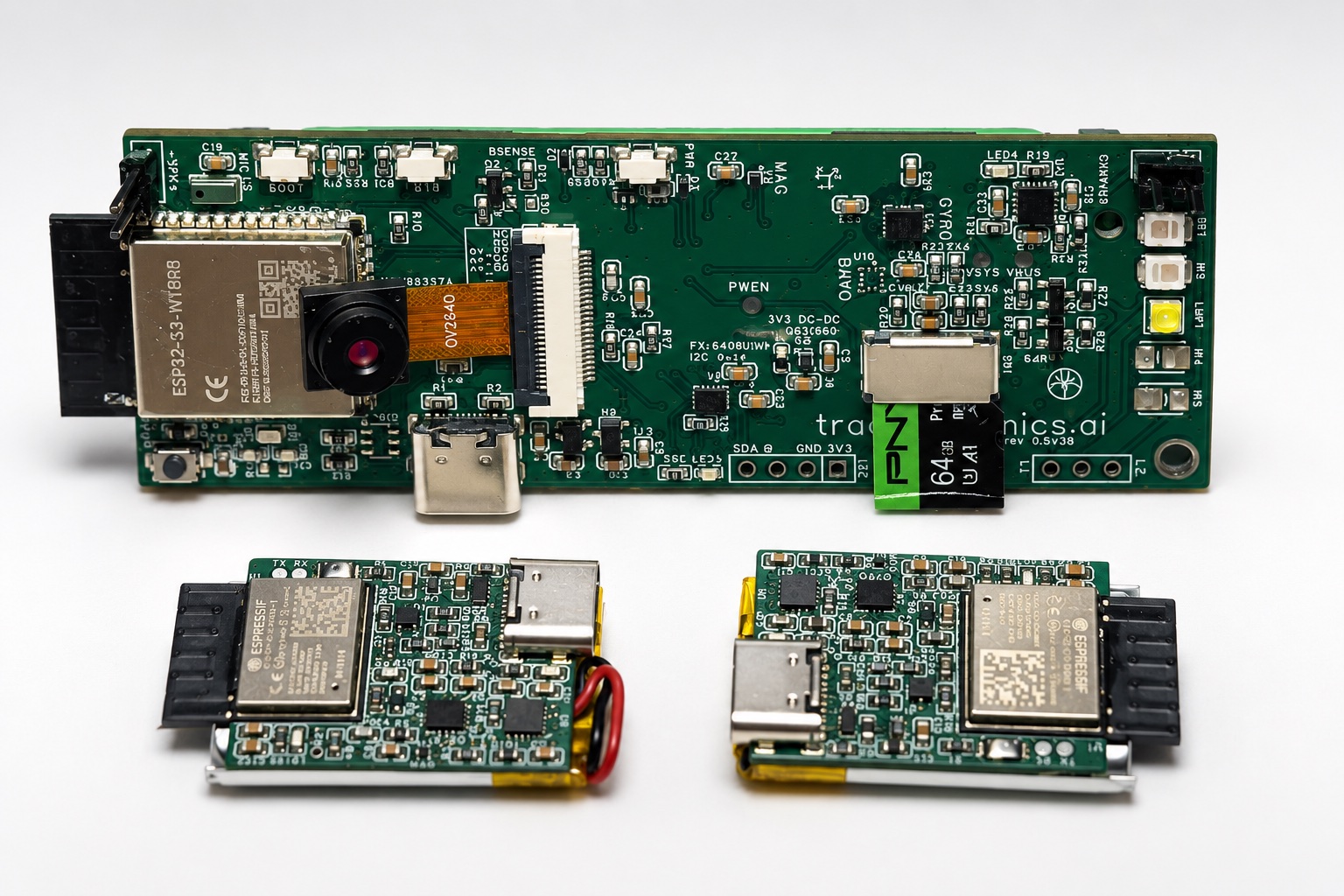
The MMT and LMT boards — camera, motion sensors, storage, and radio — built and field-tested today.
Real capture
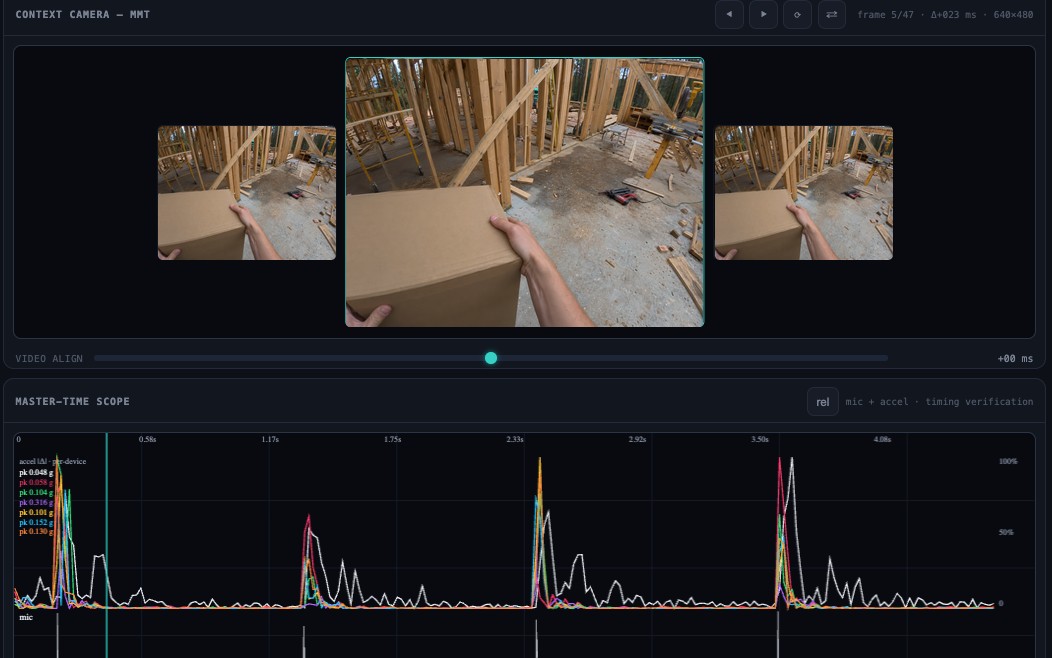
A live session in the scope — first-person scene, audio, and full-body motion across seven devices, aligned on one master clock.
Validation
Real-world capture carries privacy, consent, and quality risk. TRACE handles that through capture modes, contributor guidance, and validation gates before any session earns credit.
Quality
Uploaded hours are graded for sync, completeness, signal quality, and eligible task capture before they enter the WELL.
Fraud
Replay, synthetic, duplicated, or non-compliant capture can be filtered before it earns contributor credit.
Privacy
Contributors choose session settings and remain responsible for local consent rules; TRACE supplies controls, guidance, and validation gates.
Who it is for
Contributors turn everyday work into verified training data; researchers build on real behavior no one else has. Both start from the same access path.
Contributors
TRACE turns useful daily work into verified training data, with contributors participating in the upside instead of disappearing into the supply chain.
Researchers
The WELL gives embodied AI researchers real physical-world behavior data to build on.
Join the build
TRACE is building a practical path from real human work to training data for embodied AI. Contributors, researchers, and builders can plug into the system as it scales.