Humanoid robots are entering mass production, but
the AI that drives them is still missing something
critical: real-world human data. How people move
through a kitchen, hand off a tool, adjust their
grip on uneven ground. The kind of physical
knowledge that humans absorb through a lifetime of
living in bodies, and that no simulation or lab
recording can replicate at the scale these models
need.
TRACE builds the infrastructure for collecting
that data. Our mining partners wear lightweight
sensors during their normal daily activities. The
data is verified, processed, and added to the
WELL (World Experience Learning Library) training
dataset. The dataset is licensed to robotics
companies and AI labs building the next generation
of embodied intelligence. Mining partners own an
ongoing share of licensing revenue in proportion
to the data they contribute.
We believe the character of robotic systems is
shaped by what goes into their training. If that
data comes from the full range of human physical
culture, the systems that emerge have a real
chance of understanding what it means to work
alongside people. If it comes from narrow,
controlled demonstrations, they will be capable
tools and nothing more. We are building toward
the first outcome.
The founder writes about these ideas in depth at
Bogon
Flux on Substack.
TRACE uses purpose-built wearable hardware to
capture multi-modal data: motion (accelerometer,
gyroscope, magnetometer), spatial orientation,
video, audio, and task context. The sensor hardware is open-source and
designed for low cost (US$100-200), light weight
(under 20g per node), and all-day wear.
Data is collected locally on the device, then
uploaded and verified through the TRACE network.
Each recording session is authenticated using
cryptographic keys tied to registered mining
hardware. Verified data enters the WELL dataset,
where it is labeled, categorized, and prepared
for commercial licensing.
The full data pipeline runs from body-worn
sensors through wireless harvest to cloud
processing. The system is designed to scale from
tens of miners in alpha to thousands in
production without architectural changes.
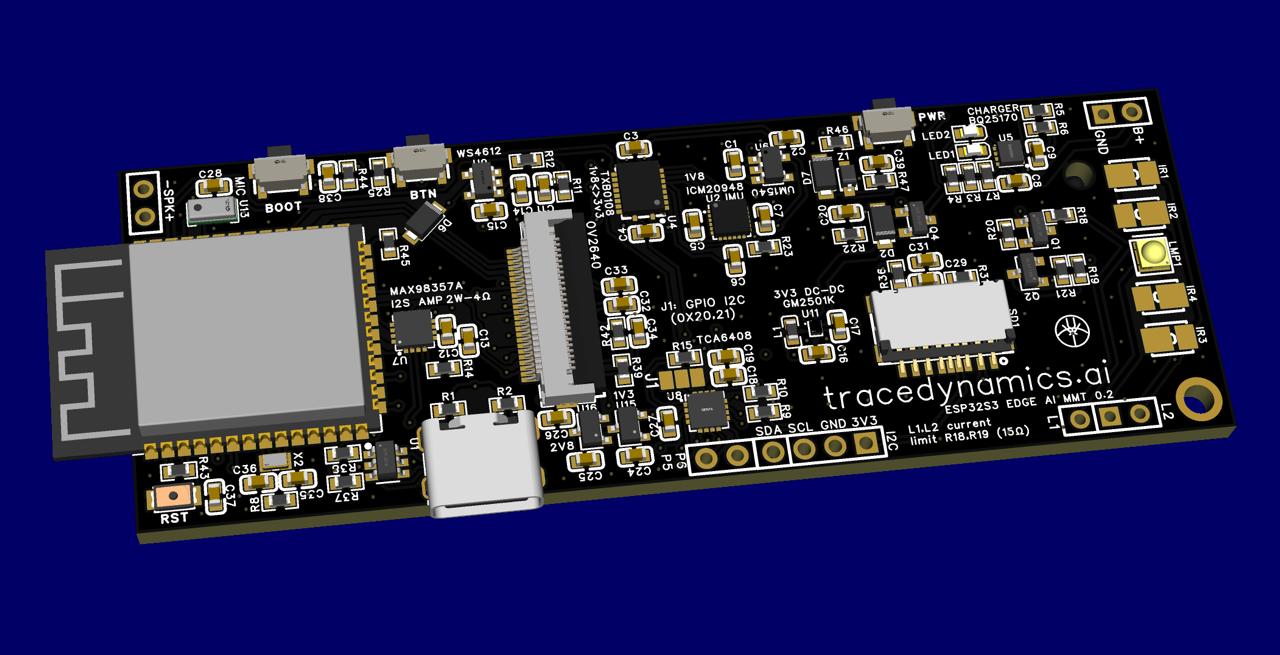
MMT carrier board — custom-designed for the ESP32-S3 with IMU, flash, camera, mic, and battery management.
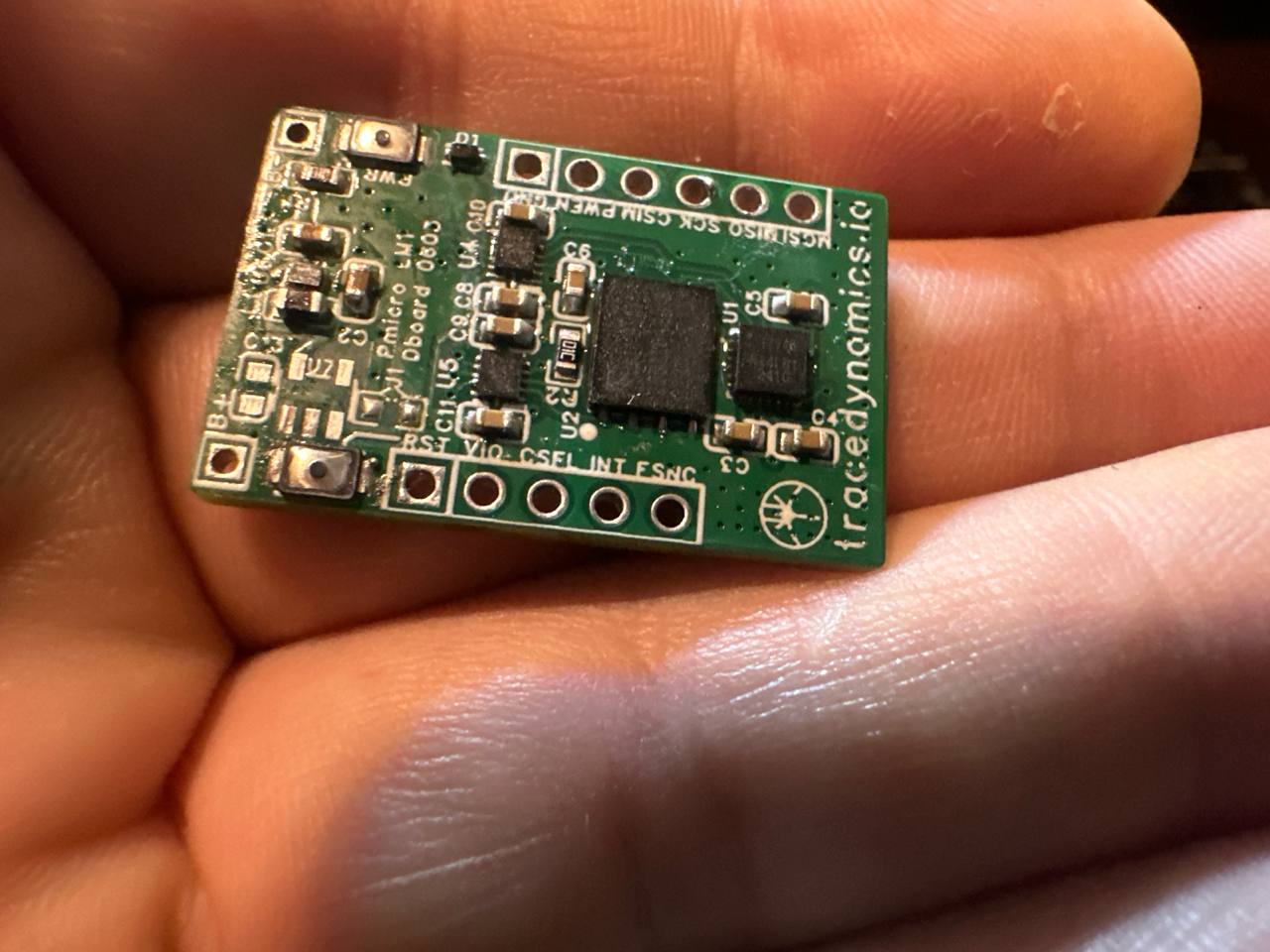
LMT sensor node — populated PCB with tracedynamics.ai branding. Small enough to conceal under clothing.
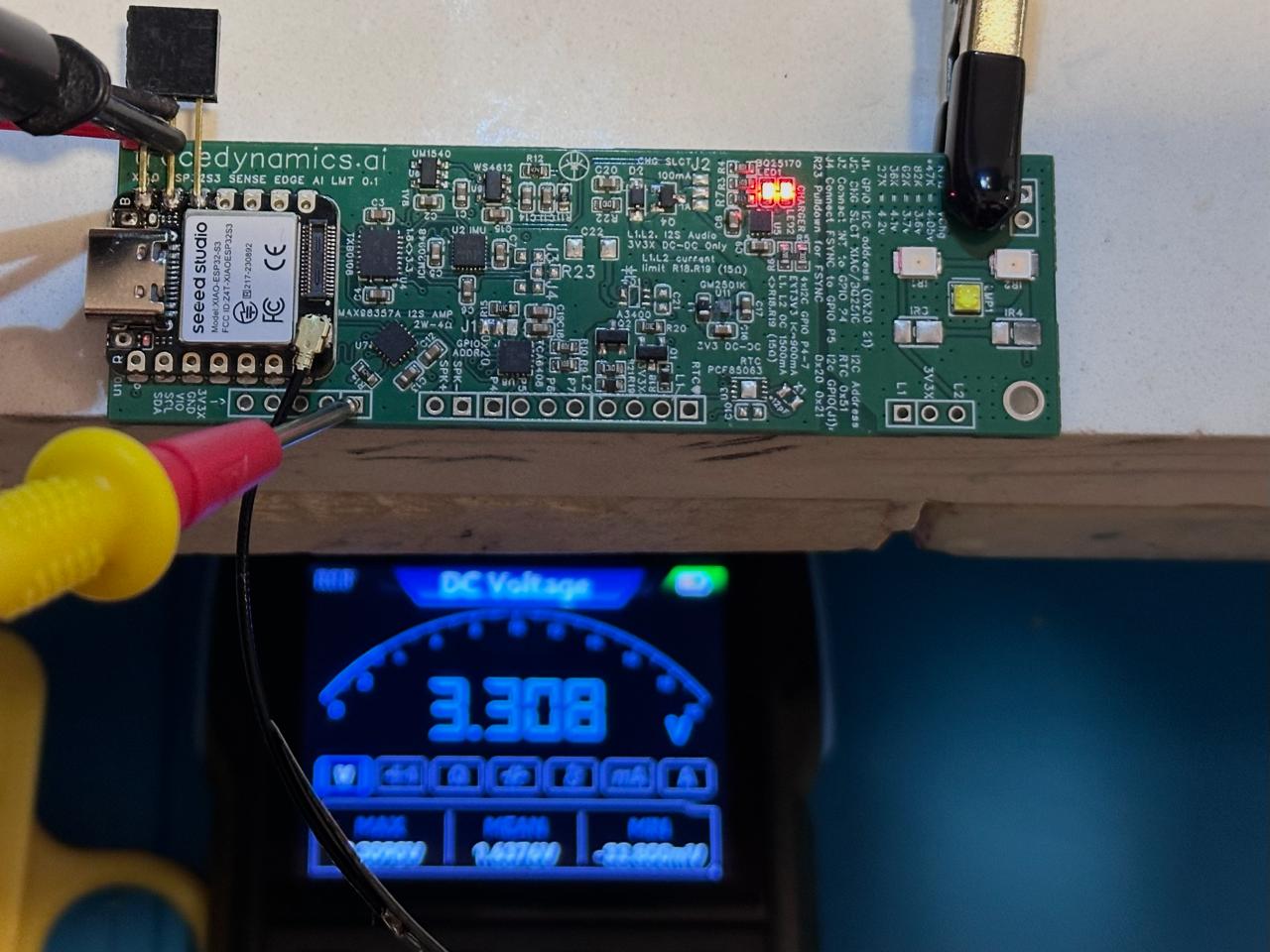
Hardware bring-up — power rail verification on the MMT carrier board.
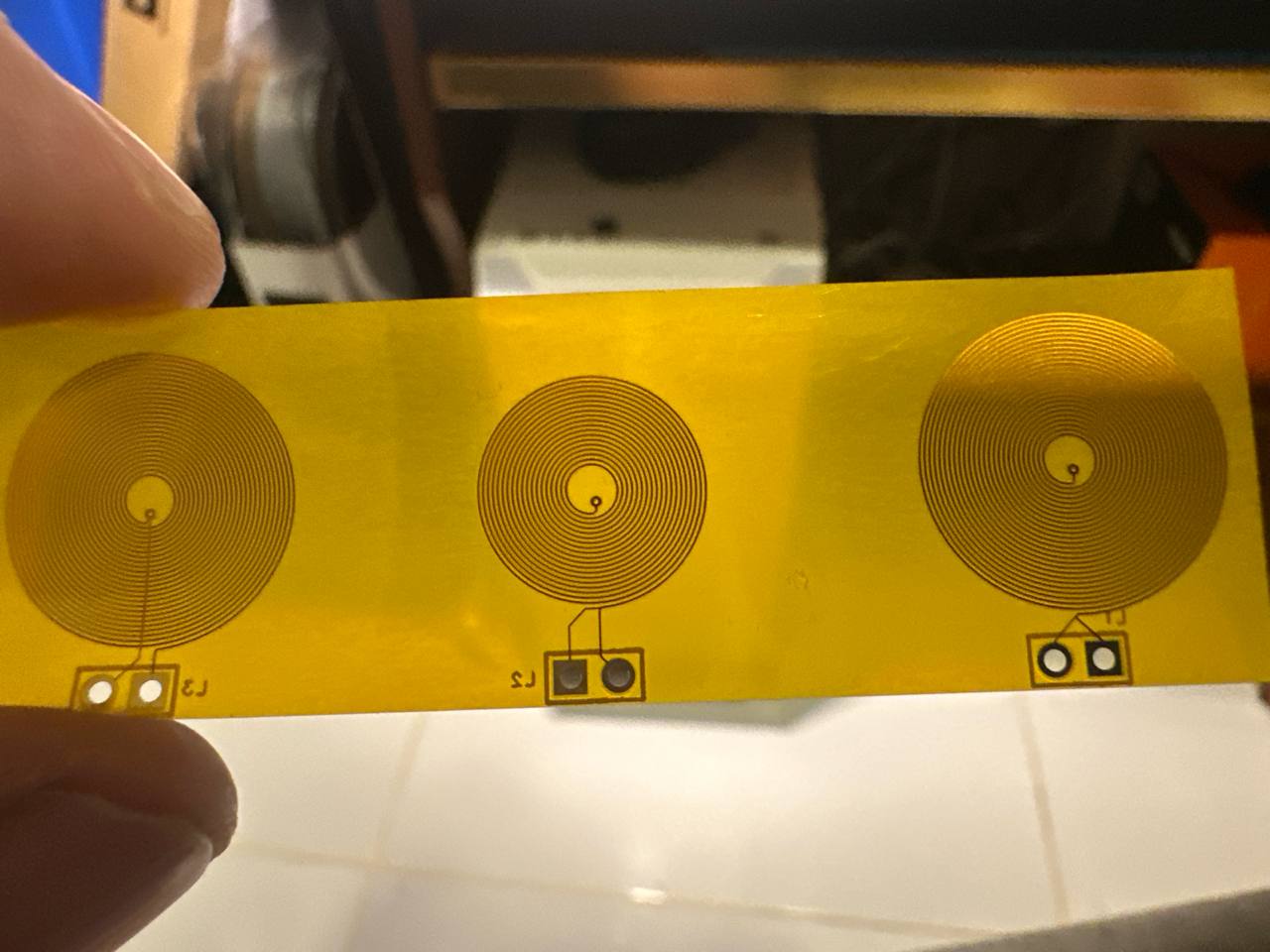
Custom wireless charging coils — flex PCB design for cable-free daily charging.

Private alpha (current) —
Hardware prototyping and firmware development.
Sensor network operational with multi-device
swarm management, time synchronization, and
wireless data harvest. Internal testing and
validation.
Invite-only beta (phase 1) —
First 100 external mining partners selected
by task type and data diversity. Open-source
hardware designs published for DIY assembly.
Limited pre-production units available at cost.
Public beta (phase 2) —
Open registration. Network scaling to ~500
miners. Data pipeline validated end-to-end
from collection through processing to
licensing.
Production — Full commercial
operation. WELL dataset available for licensing.
Revenue distribution to verified mining partners.
In private alpha - public beta coming soon
Check the FAQ